HomeKeepr Blog

Posts about:

Safety (2)

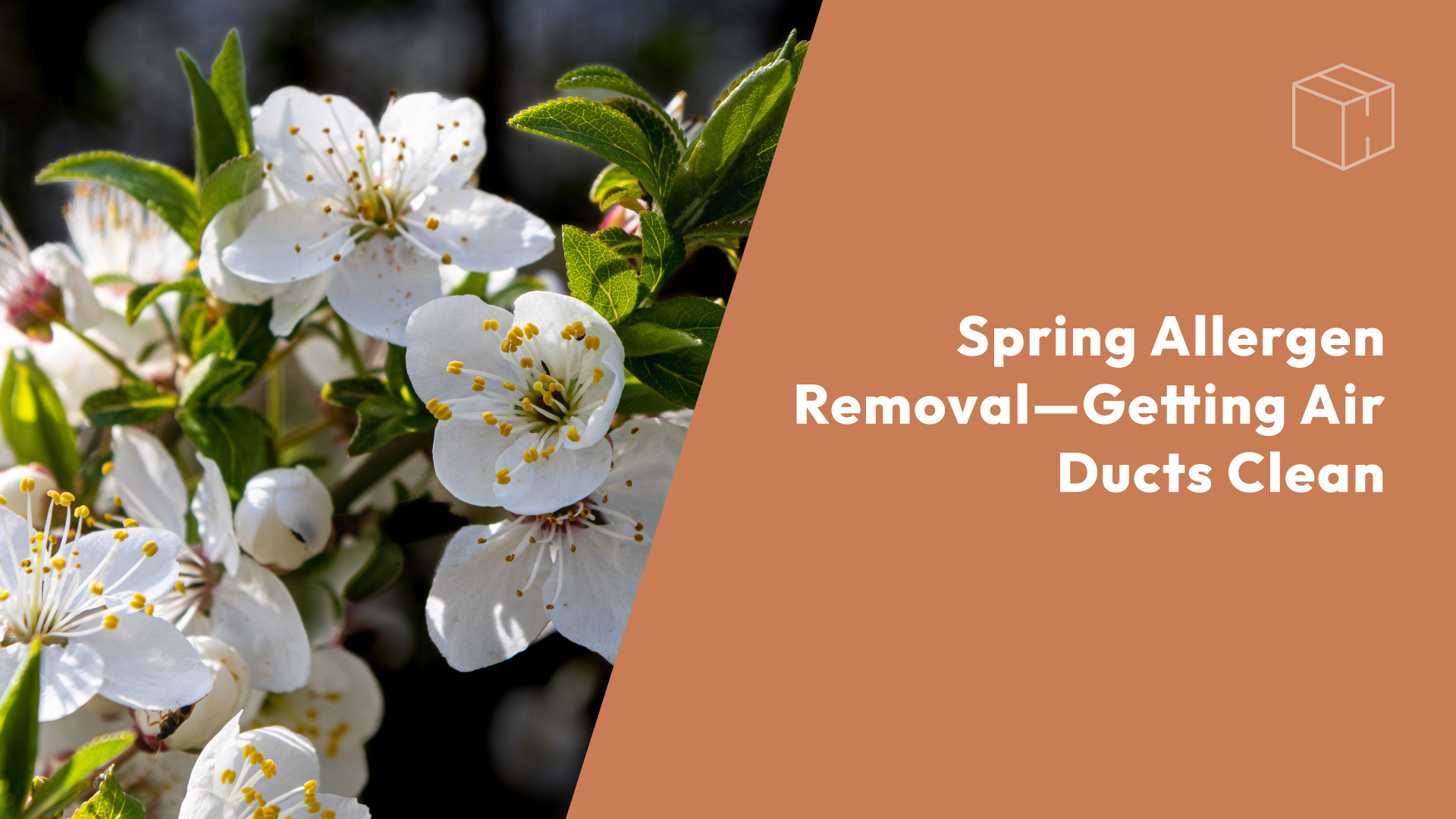
Spring Allergen Removal—Getting Air Ducts Clean

Have you experienced chronic ear, throat, or eye irritations, sneezing, coughing, dizziness, or headaches only while in your home and as soon as you use your HVAC system? It could be from poor air quality due to dirty air ducts. Even the American Lung Association recognizes indoor air quality as the catalyst for many allergy-related diseases. If you haven’t cleaned your ducts in 4 to 5 years, there will be an accumulation of contaminants such as dust, pollen, mold, bacteria, and other allergens recirculating by your HVAC system to the indoor air. Even new construction can pose a threat with its hazardous materials and drywall dust. Consequently, you breathe these particles in, leading to allergic and asthmatic symptoms. Indoor allergies are most prevalent during spring and summer when your HVAC starts moving air around, and any particles that have settled there through the winter will kick up and begin affecting your breathing.
Read More

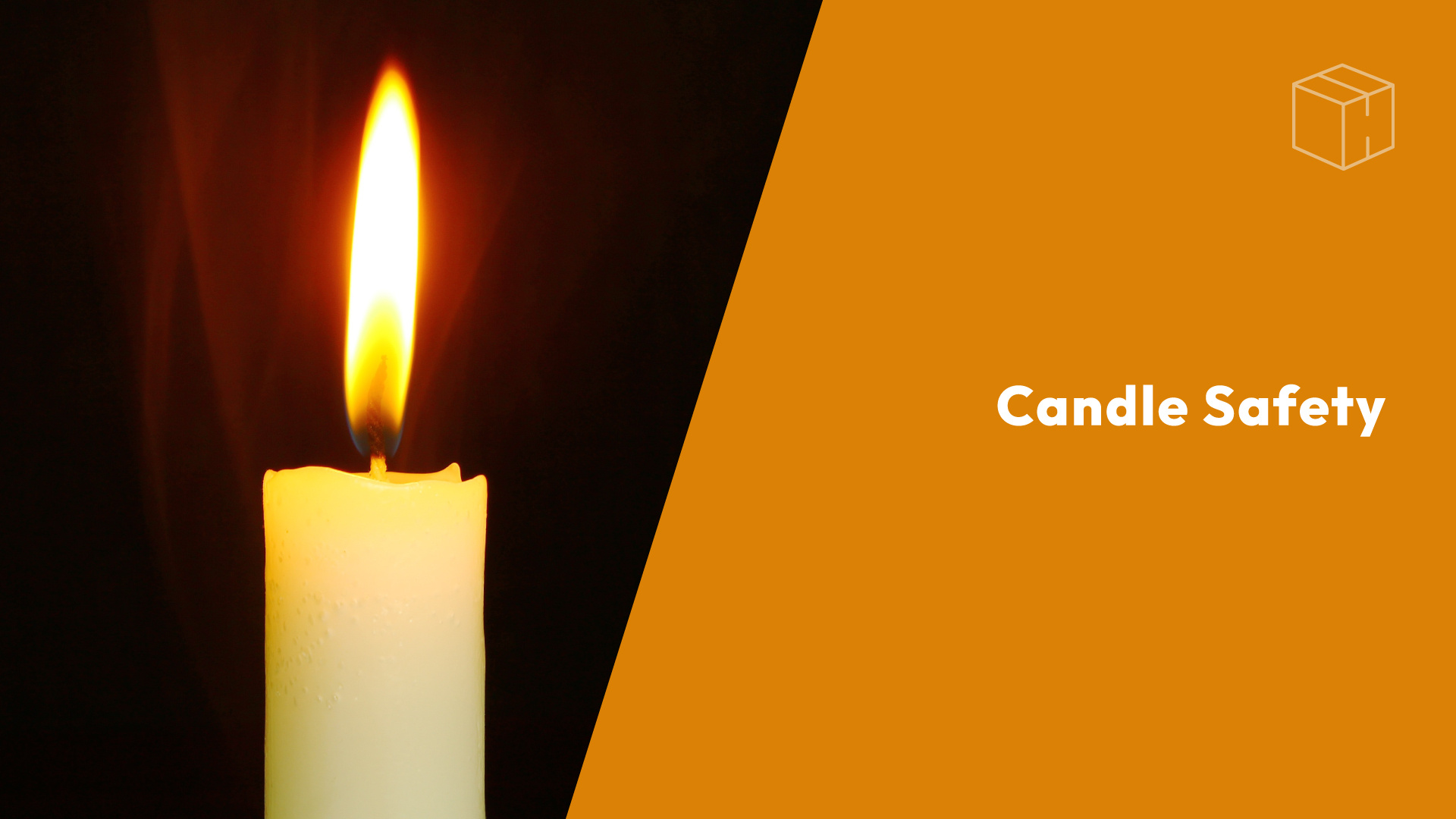
Candle Safety

Valentines Day means romance and nothing creates an air of romance more than candles. Although candles are great for creating warmth and romance, accidental ignition can lead to property damage, injury, or even death without proper adherence to fire safety. According to the NFPA (National Fire Protection Association), thousands of home fires due to candle-burning accidents are reported each year and the U.S. Consumer Product Safety Commission reports that most of candle fires can be avoided by following basic safety rules. Keep your home safe by practicing these simple candle safety tips.

Read More

Exterior Home Hazards

Although we may pay attention to maintenance and safety needs inside the house, outside hazards such as falling tree limbs, mold, infestations, and foundation issues can get overlooked, leading to costly repairs and possible injury. Here are some common risks to look for and tips for keeping your exterior property safe.

Read More

Security Tips for Every Home

Although today’s homes contain more comforts and conveniences than medieval castles, they usually lack a moat and drawbridge, and an army of sentinels to prevent intrusion. Assuming your home does not have a moat, here are easy ideas to make your property more secure.

Read More

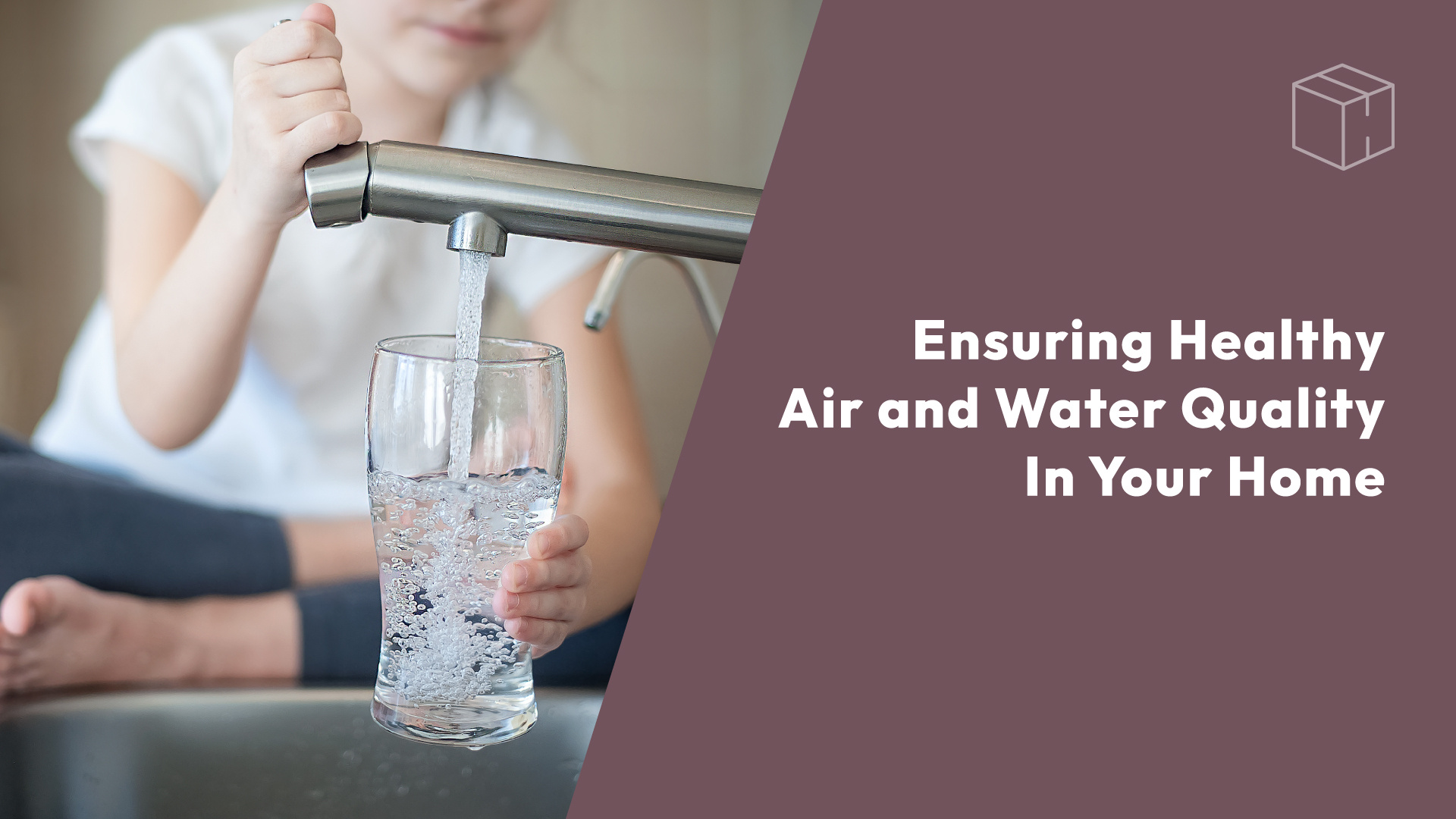
Ensuring Healthy Air and Water Quality in Your Home

Since the Pandemic, many homeowners have spent more of their time inside their homes, whether for entertainment or work. IAQ (indoor air quality) and water have, thus, become increasingly focused, especially during the winter. As we spend more time indoors, our health can become negatively impacted by contaminants in our residence that we are not aware of yet should be. If you are experiencing acute symptoms such as allergies, frequent colds, nasal congestion, fatigue, dizziness, nausea, or fever only when present at home, it could be due to certain toxins in the air and water. Here are some steps to identify and address a current issue and some easy preventative measures to preserve the air and water quality in your home and protect your health.

Read More

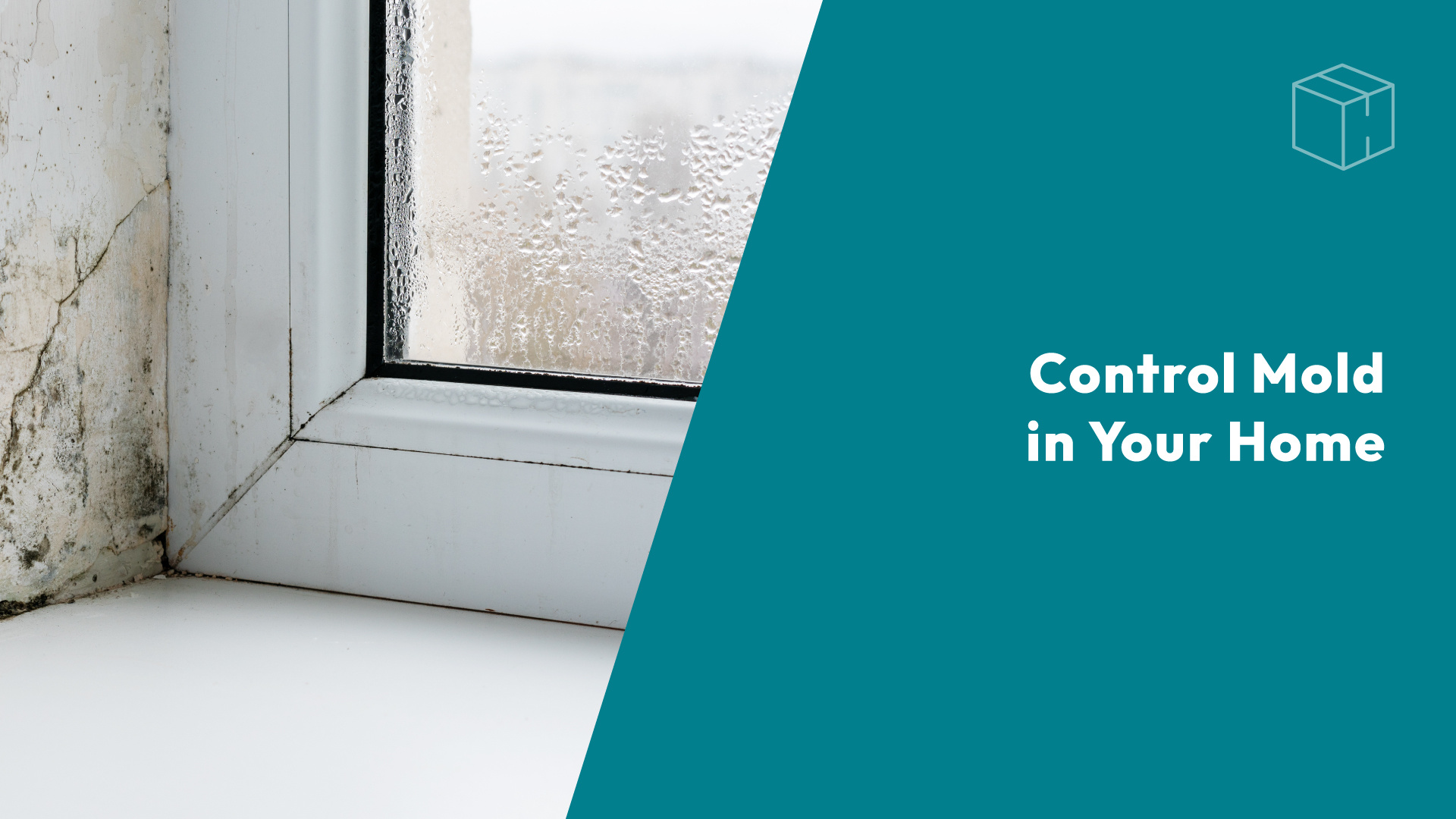
Controlling Mold

Mold, a fungal growth, is commonly found in buildings and homes. It grows in places with a lot of moisture that can be caused by flooding or leaks. Although there is always some mold in the environment, studies have been done that have linked mold exposure to certain health problems. People regularly exposed to mold were shown to be at risk for upper respiratory infections asthma exacerbation, and allergies. To reduce potential adverse health issues, it is recommended for homeowners learn to identify, control, and prevent mold growth as much as possible.

Read More

How to Make Your Home Safe for Senior Living

As there are a growing number of aged adults living independently, it’s ever important to be aware of the risks of daily living accidents such as falls and fire hazards and how to eliminate these to keep ourselves and loved ones safe. Whether a quick fix or a small renovation, the following are commonly recommended adjustments to help avoid potential risks.

Read More

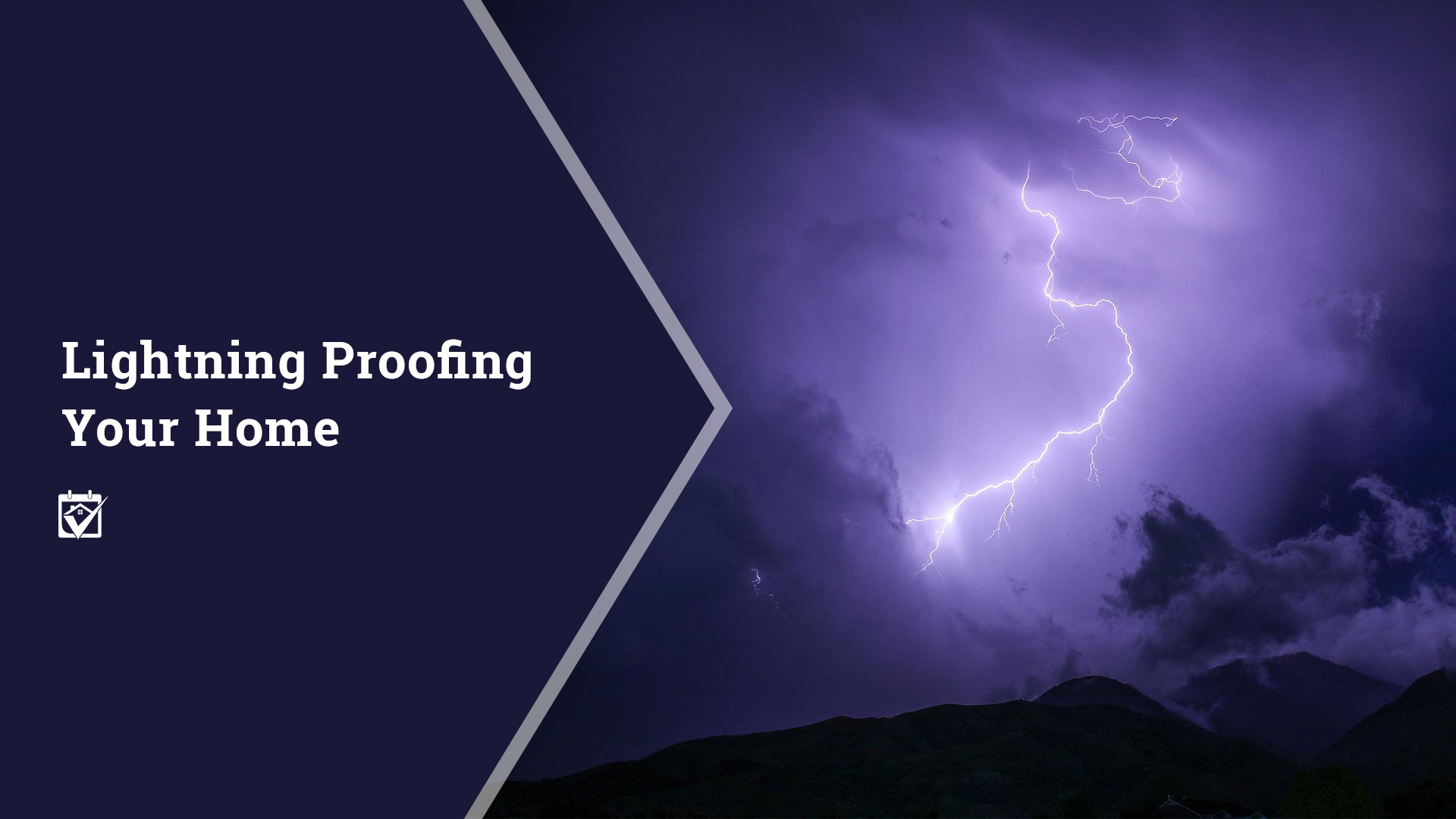
Lightning Proofing Your Home

Big storms can be scary. With the wind, heavy rain, and the threat of even more extreme weather, they can also bring with them a lot of damage. While a lot of people make plans on how to react to some of the big dangers associated with storms, there’s one more common threat that often goes overlooked: lightning strikes.

Read More