
How to Utilize Your Flex Space as a Home Gym
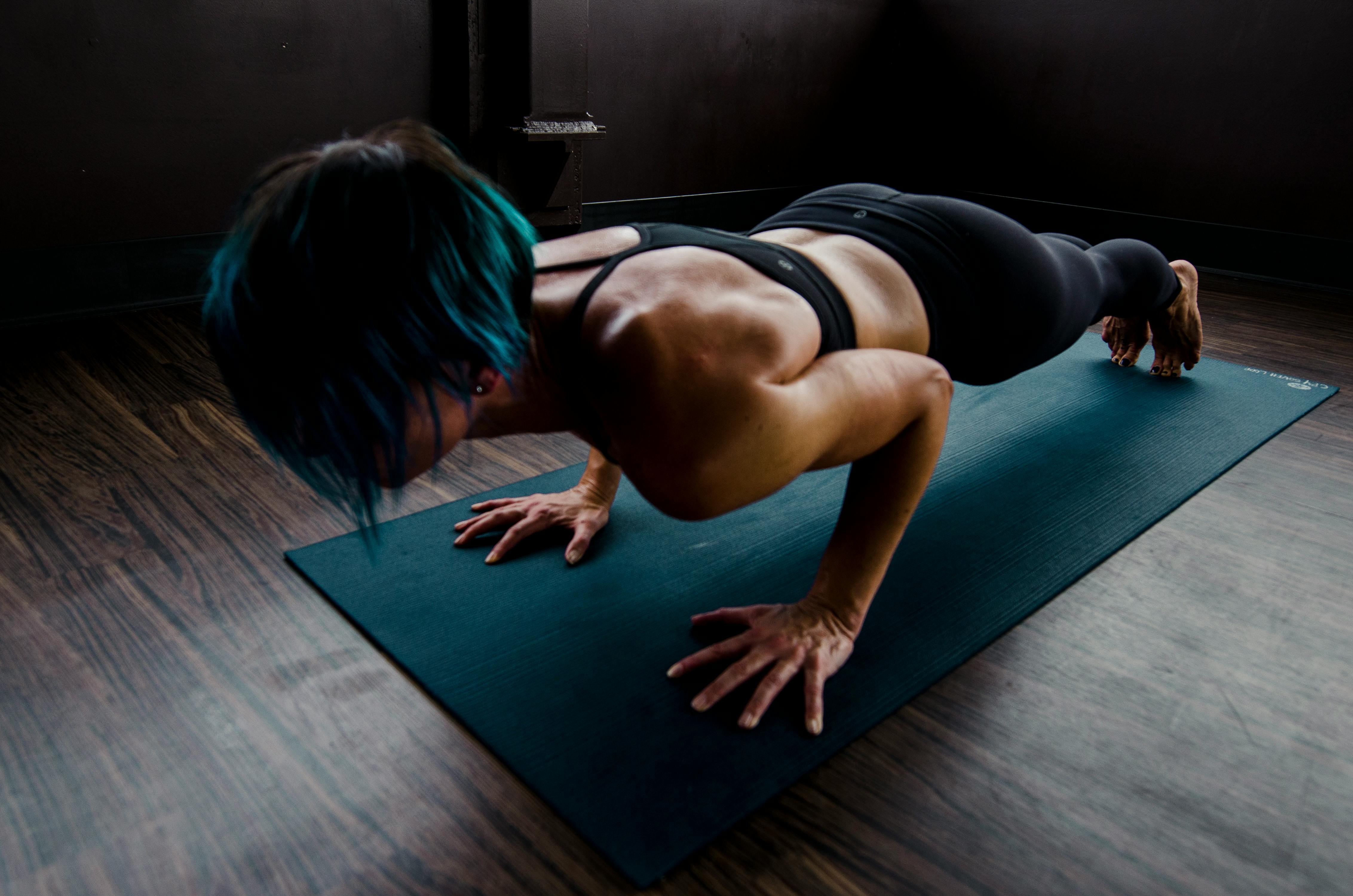

Flex spaces are one of the most versatile areas in any home. Whether it’s a spare bedroom, basement nook, or an underutilized corner, these areas have the potential to become the ultimate home gym. With fitness becoming an essential part of everyday life, transforming your flex space into a dedicated workout zone can be a game-changer. Here’s how you can convert that space into a functional, motivating, and stylish home gym.
1. Define Your Fitness Goals
Before diving into the transformation, it’s important to define your fitness goals. Are you focusing on strength training, cardio, yoga, or a combination of activities? Your workout preferences will guide the design and equipment choices for your gym. For example:
• Strength Training: You’ll need space for weights, a bench, and possibly a squat rack.
• Cardio: Plan for room to accommodate larger equipment like a treadmill, stationary bike, or rowing machine.
• Yoga or Pilates: Ensure you have a peaceful, open space with mats, resistance bands, and maybe a mirror for proper form.
Pro Tip: Consider the type of flooring that best suits your workout routine. Rubber flooring is ideal for weights and high-impact activities, while foam tiles work well for yoga and bodyweight exercises.
2. Maximize Space with Multi-Functional Equipment
Flex spaces often come with limited square footage, so choosing multi-functional equipment can help you get the most out of your area. Compact machines like an all-in-one home gym system, foldable treadmills, or resistance bands can save space while still providing a full-body workout.
Pro Tip: Wall-mounted racks for weights and kettlebells free up floor space and keep the area organized. You can also invest in stackable storage bins or shelves for smaller items like resistance bands, jump ropes, and yoga blocks.
3. Create Zones for Different Activities
To make your gym feel more organized and intentional, create different zones within the space for various workouts. For instance:
• Strength Zone: A corner with dumbbells, kettlebells, and a bench.
• Cardio Zone: Space for a treadmill, stationary bike, or jump rope area.
• Stretching and Recovery Zone: An area with a yoga mat, foam rollers, and space for stretching or meditation.
Creating zones not only maximizes efficiency but also helps you stay mentally focused on your workouts.
4. Choose the Right Lighting
Good lighting is essential for a home gym, as it can influence both your energy levels and safety. Natural light is ideal, so if your flex space has windows, make the most of them. If natural light is limited, invest in bright, adjustable LED lights to keep the space well-lit during workouts.
Pro Tip: Consider adding a large mirror to enhance the light and make the space feel larger. Mirrors are also great for checking your form during strength training or yoga.
5. Personalize Your Space
Turning a flex space into a gym doesn’t mean it has to feel utilitarian. Personalizing the space can make it more inviting and motivating. Add some inspiring artwork, motivational quotes, or a splash of your favorite color to energize the room. Small details like a Bluetooth speaker or a mini fridge stocked with water and healthy snacks can elevate the experience.
Pro Tip: If you’re into fitness tracking, consider mounting a tablet or TV on the wall to follow workout videos or track progress through fitness apps.
6. Consider Ventilation and Temperature Control
A well-ventilated gym is crucial for comfort, especially during intense workouts. If your flex space doesn’t have great airflow, a fan or portable air conditioning unit can help. Maintaining a comfortable temperature will make your workouts more enjoyable and keep you coming back for more.
Pro Tip: Adding a few plants to the space can help purify the air and create a more calming environment, perfect for post-workout recovery or meditation.
7. Don’t Forget Safety
Safety is paramount in any home gym setup. Make sure your space is free of hazards and that equipment is properly secured. Ensure you have enough room to move around safely, especially when using weights or doing high-impact exercises.
Pro Tip: Use non-slip mats or floor padding, especially if you’ll be doing exercises that involve a lot of movement. If you’re using heavy weights, a lifting platform can protect both your equipment and your floors.
The Bottom Line
Turning your flex space into a gym is a great way to make fitness a convenient part of your daily routine. By carefully planning the layout, choosing versatile equipment, and adding personal touches, you can create a workout space that is both functional and enjoyable. Remember, the key is to tailor the space to your specific fitness goals while making it a place where you’ll actually enjoy spending time.
Whether you’re aiming for a full-body workout space or a calming yoga retreat, your flex space can be transformed into the perfect home gym that supports your health and wellness goals.