
Value of a Finished Basement
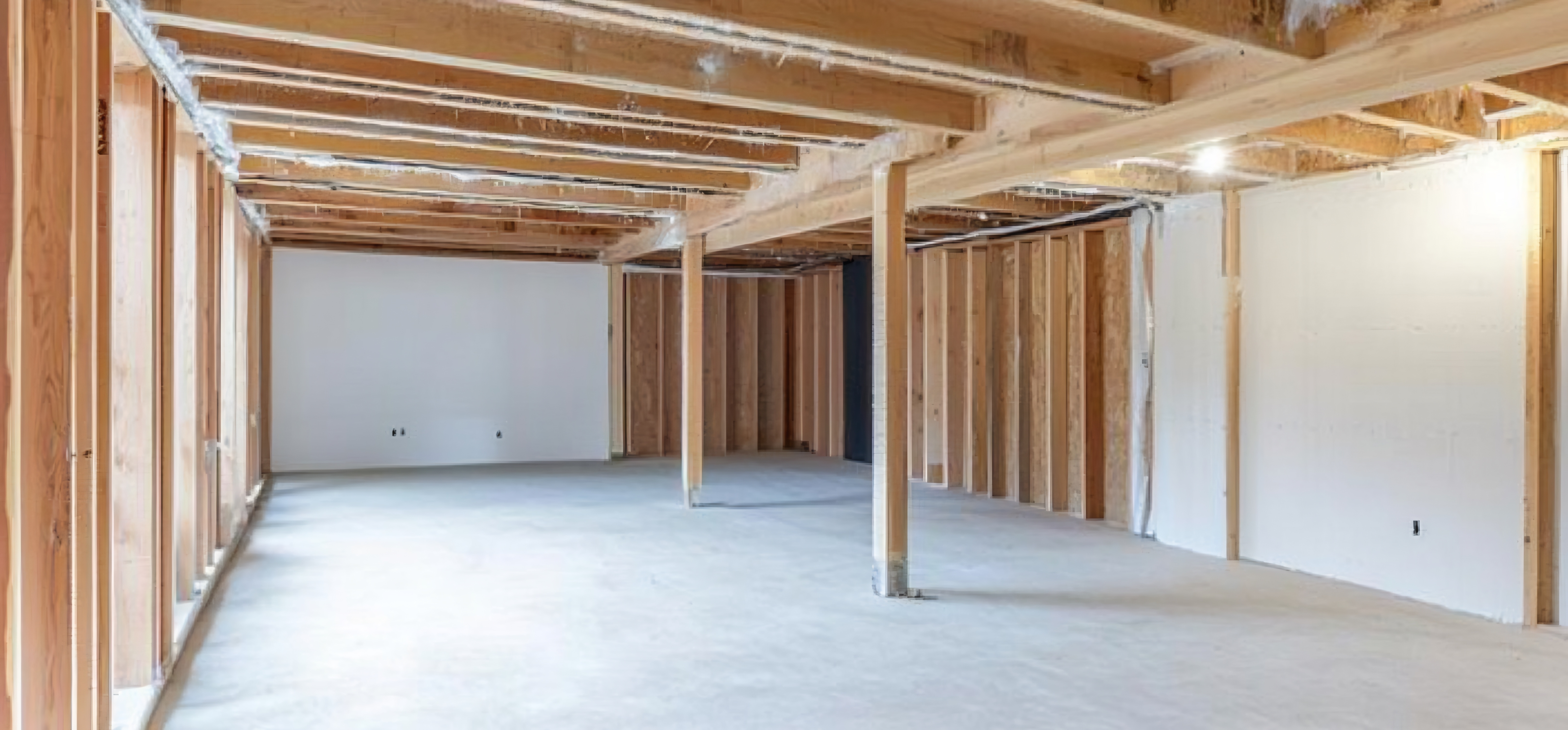

For many homeowners, the basement is an afterthought—used for storing holiday decorations, old furniture, or forgotten fitness equipment. But beneath the main living space lies a valuable opportunity: a basement remodel can dramatically increase a home’s usable space, functionality, and resale value.
Remodeling a basement adds square footage without building an addition. According to industry data, a finished basement can return 70% to 75% of its cost in resale value—making it not only a lifestyle upgrade but also a financially wise investment.
Homeowners are increasingly transforming basements into:
-
Guest suites or in-law apartments
-
Media rooms or home theaters
-
Home offices or gyms
-
Kids’ playrooms or teen lounges
-
Wet bars or wine cellars
-
Legal rental units or Airbnb spaces
The options are as flexible as your imagination and needs.
Start with Structure and Safety
Before picking flooring or paint colors, the foundation of a successful basement remodel lies in preparation.
-
Moisture control: Water issues must be addressed first. Check for leaks, condensation, or foundation cracks. Waterproofing and sump pump installation may be needed.
-
Code compliance: If you plan to add a bedroom or apartment, you'll need egress windows and permits. Electrical and plumbing work must follow local building codes.
-
Structural integrity: Low ceilings, exposed pipes, and ductwork may require creative solutions or adjustments to the floor plan.
Investing in a qualified contractor or structural engineer upfront can prevent costly mistakes later.
Designing for Function and Comfort
Unlike above-ground spaces, basements require intentional design to feel inviting. Natural light is limited, so smart layout and lighting design are essential.
-
Layout: Plan the placement of rooms based on available light and utility access. Keep mechanical systems accessible and prioritize open areas near windows.
-
Lighting: Recessed lighting, LED fixtures, and warm-toned bulbs can make a huge impact. Mirrors and light-colored finishes also help brighten the space.
-
Insulation and HVAC: Proper insulation, ductwork adjustments, and dehumidifiers can help regulate temperature and improve air quality.
-
Flooring: Avoid traditional hardwood due to moisture risk. Instead, choose luxury vinyl planks, tile, or sealed concrete for durability and style.
With the right finishes, a basement can feel just as polished as the main floor—if not more so.
Budgeting Your Remodel
Basement remodel costs vary widely depending on square footage, scope, and materials. On average, homeowners can expect to spend $30,000 to $80,000, with high-end builds reaching six figures.
A few budget tips:
-
Prioritize waterproofing and structure over cosmetics.
-
Use prefabricated materials for efficiency.
-
Leave plumbing where it is, if possible.
-
Save on costs by combining open-plan spaces instead of creating many separate rooms.
Always include a 10–15% buffer for unexpected expenses, especially in older homes.
Choosing the Right Team
While small upgrades can be DIY-friendly, a full basement remodel often involves electrical, plumbing, and structural work best left to professionals. Hiring a licensed contractor with basement experience ensures the job is done safely and to code.
Ask potential contractors:
-
Are you insured and licensed?
-
Do you have experience with basement remodels?
-
Can you provide references or a portfolio?
-
What permits will be needed?
Good communication and transparent estimates are just as important as skill.
The Payoff
A remodeled basement adds more than just square footage—it adds lifestyle. Whether it becomes the heart of your home or a secondary income source, the lower level has the potential to elevate your entire living experience. Instead of letting your basement collect dust, consider letting it shine.