
The Benefits of Lawn Aeration: Why Your Yard Will Thank You
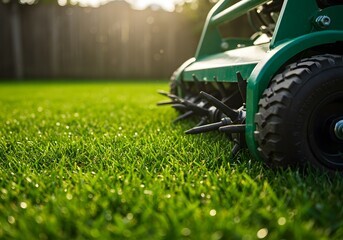
A lush, healthy lawn doesn’t happen by accident—it requires proper care, and one often-overlooked step is lawn aeration. Aeration is the process of perforating the soil with small holes to allow air, water, and nutrients to reach the roots. By giving your grass the ability to breathe, you can improve growth, prevent disease, and keep your lawn looking its best year-round.
What Is Lawn Aeration?
Lawn aeration involves creating small holes in the soil using a specialized tool called a lawn aerator. These holes help relieve soil compaction, allowing the roots of your grass to access oxygen, water, and nutrients more effectively. Aeration is especially beneficial for high-traffic areas, clay-heavy soils, and lawns that have not been aerated for a few years.
Benefits of Lawn Aeration
1. Promotes Stronger Roots
Aerating your lawn allows grass roots to grow deeper, making them more resilient to drought, heat, and stress. Strong roots also help your lawn recover more quickly from wear and tear.
2. Improves Water and Nutrient Absorption
By loosening compacted soil, aeration ensures that water, fertilizers, and natural nutrients penetrate the soil more effectively. This reduces runoff and makes every drop of water count.
3. Reduces Soil Compaction
Heavy foot traffic, construction, and even lawn equipment can compact soil over time. Compacted soil prevents roots from growing properly and can lead to bare patches. Aeration breaks up the soil, creating space for healthy growth.
4. Enhances Lawn Health and Appearance
Aerated lawns are greener, thicker, and more even. They resist weeds, pests, and disease better than compacted lawns, resulting in a more attractive yard.
5. Prepares Your Lawn for Seeding
If you plan to overseed your lawn, aeration creates the perfect conditions for new grass seed to take root. The holes give seeds direct contact with soil, increasing germination rates.
When to Aerate Your Lawn
The best time to aerate depends on your grass type:
- Cool-season grasses (like fescue or bluegrass): Aerate in early spring or fall.
- Warm-season grasses (like Bermuda or zoysia): Aerate in late spring through summer.
Avoid aerating during drought conditions or when the soil is extremely wet, as this can damage your lawn.
Bottom Line:
Lawn aeration is a simple but highly effective way to keep your yard healthy, green, and resilient. By improving root growth, soil health, and nutrient absorption, aeration ensures your lawn looks its best and thrives for years to come.