Sustainable & Energy-Efficient Living
Sustainability isn’t just a trend—it’s becoming a lifestyle, and your home is the perfect place to start. In 2026, homeowners are increasingly prioritizing eco-friendly upgrades, energy efficiency, and smart systems that save money, reduce environmental impact, and increase home value. Whether you’re building new, renovating, or simply improving your current home, these strategies make a difference.
Why Sustainable Living Matters
Eco-conscious living has moved from niche to mainstream. Homebuyers, renters, and families alike are looking for houses that lower energy bills, reduce carbon footprints, and offer healthy living spaces. According to recent industry studies, sustainable homes often sell faster and at higher prices because they combine efficiency with modern comfort.
Benefits of sustainable upgrades:
- Lower utility bills through energy efficiency
- Increased home resale value
- Reduced environmental impact
- Healthier indoor air quality
Upgrade Your Energy Efficiency
One of the most effective ways to make a home sustainable is to reduce energy consumption. Even small changes can significantly reduce monthly utility costs and your home’s carbon footprint. Some of the top strategies include:
- High-efficiency HVAC systems – Modern systems use less energy to heat and cool your home.
- LED lighting – Lasts longer and uses a fraction of the electricity compared to incandescent bulbs.
- Smart thermostats – Adjust temperatures automatically based on occupancy, weather, and daily routines.
- Energy Star appliances – Refrigerators, washers, and dryers that consume less power.
Harness Renewable Energy
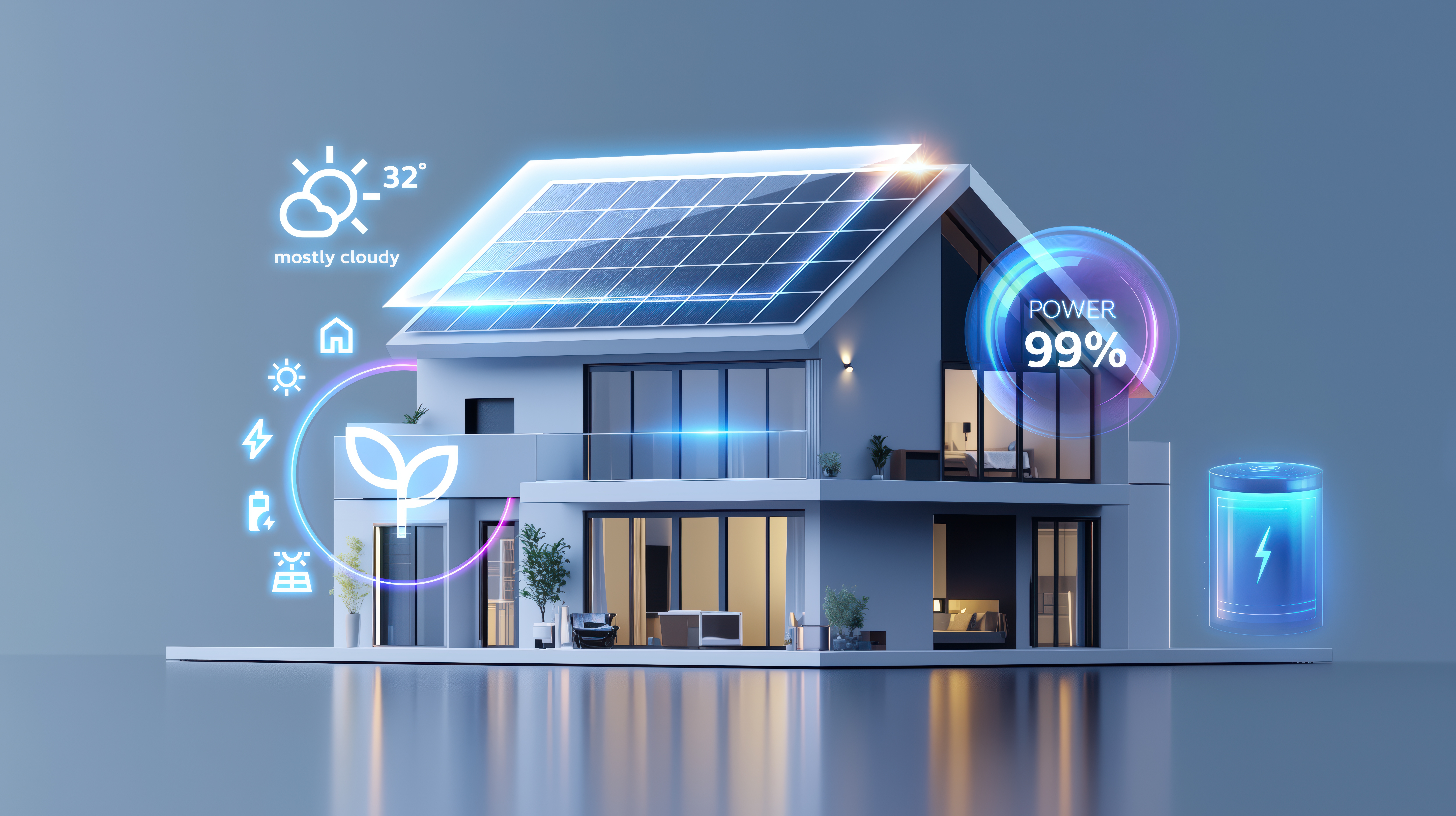
Solar panels and renewable energy solutions are no longer just for luxury homes. Many states and local utilities also offer tax incentives and rebates, making green energy more affordable than ever. In 2026, they are practical, accessible, and cost-effective:
- Rooftop solar panels – Generate electricity and can reduce your reliance on the grid.
- Solar water heaters – Use sunlight to heat water efficiently.
- Battery storage systems – Store excess solar energy for night-time or peak usage.
Smart Water Management
Sustainable homes aren’t just about electricity—they also save water. Conserving water not only lowers utility bills but also protects local ecosystems.
- Low-flow faucets, showerheads, and toilets – Reduce water use without sacrificing performance.
- Smart irrigation systems – Water landscaping efficiently, based on weather and soil moisture sensors.
- Rainwater harvesting – Collect and reuse rainwater for irrigation and non-potable uses.
Embrace Smart Home Technology
Technology is making sustainability easier than ever. These tools make it simple to live sustainably without sacrificing convenience or comfort.
- Automated lighting and appliances – Turn off devices when not in use.
- Energy monitoring systems – Track usage and identify areas to save energy.
- Connected thermostats and shades – Optimize heating, cooling, and natural light.
Final Thoughts
Sustainable and energy-efficient living is no longer just “nice to have”—it’s becoming essential for modern homeowners. With the right upgrades, you can reduce costs, boost your home’s value, and create a healthier, more comfortable living space. In 2026, making your home eco-friendly isn’t just smart—it’s stylish, modern, and future-ready.