
Pro Tips for Homeowners: Tile Like a Pro (or Know When to Call One)
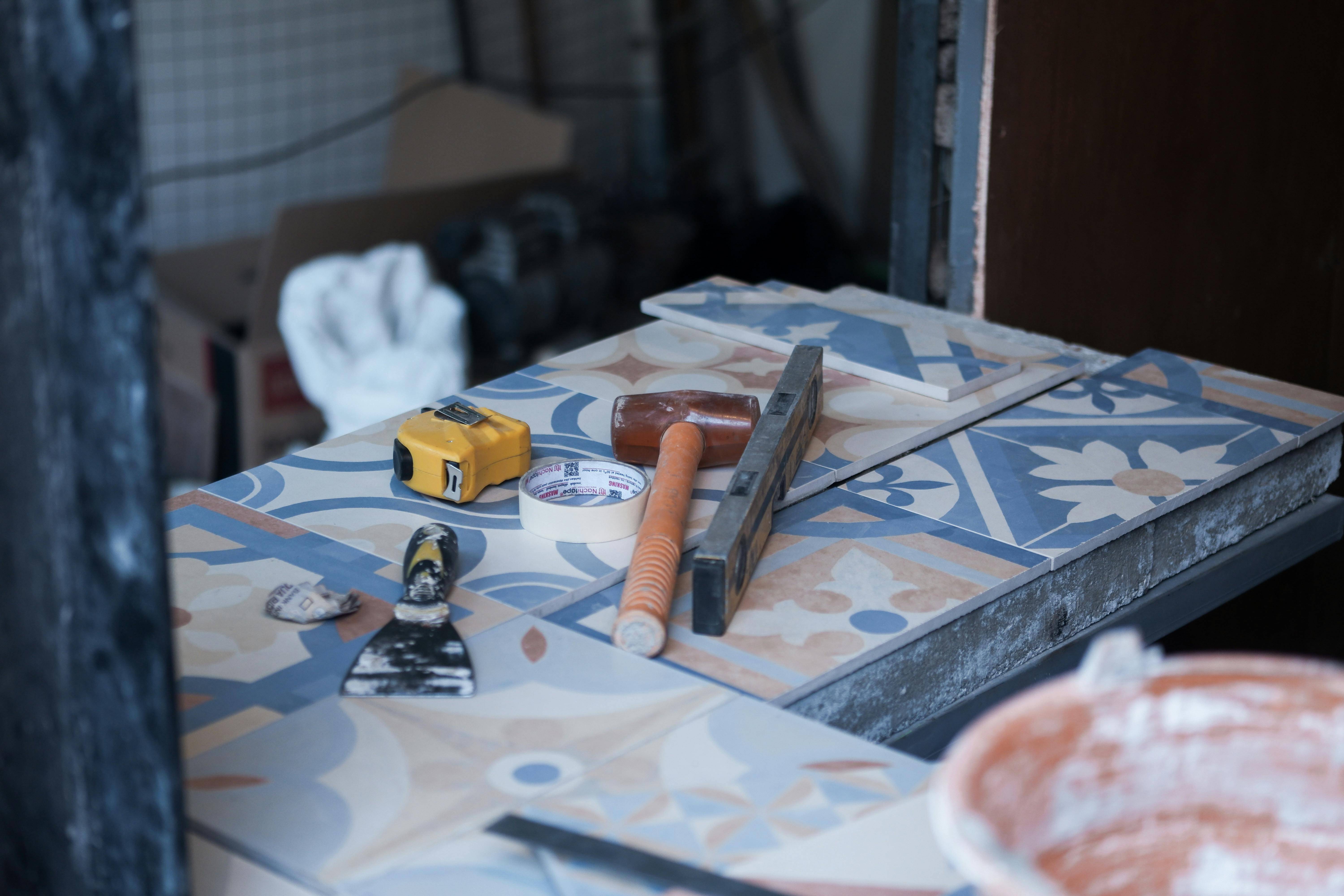

Tiling can add a beautiful and durable finish to various spaces in your home, from bathrooms and kitchens to entryways and patios. But while it may look straightforward, tiling is a skill that requires precision, patience, and a good amount of know-how. If you’re considering taking on a tiling project, it’s important to understand both the process and the potential challenges. Here’s a guide that offers some expert tips while also highlighting when it might be best to call in a local professional.
1. Plan Your Layout Carefully
The first and perhaps most critical step in any tiling project is proper planning. Before laying a single tile, measure the space accurately and determine your layout. It’s essential to start at the center of the area and work your way outward, ensuring your tiles are evenly spaced. This helps avoid having uneven tiles or small slivers along the edges, which can throw off the look of the entire project.
Pro Tip: Use a chalk line or laser level to ensure that your tiles are perfectly aligned. However, even with the best tools, getting the layout right can be tricky, especially in irregularly shaped rooms or areas with many corners. This is where a professional tiler’s experience can make all the difference.
2. Choose the Right Materials
The type of tile you choose will significantly affect both the look and longevity of your project. Porcelain and ceramic are popular choices for their durability and water resistance, making them ideal for bathrooms and kitchens. However, natural stone tiles like marble or travertine can add a luxurious touch, though they require more maintenance.
Pro Tip: Make sure to choose a tile appropriate for the specific area you’re tiling. For example, some tiles are more slip-resistant than others, making them better for floors. If you’re unsure about which materials are best for your space, consulting with a professional can save you from costly mistakes.
3. Get the Subfloor Right
A successful tiling job starts with a properly prepared subfloor. The surface beneath the tile must be clean, level, and free of any cracks or uneven spots. Depending on the condition of your subfloor, you might need to install a cement backer board, especially in wet areas like showers.
Pro Tip: If you’re unsure about the condition of your subfloor or need to make repairs, it’s often better to have a professional handle it. A poorly prepared subfloor can lead to tiles cracking or coming loose over time, undoing all your hard work.
4. Take Your Time with Cutting
Cutting tiles to fit around edges, corners, and fixtures is one of the most challenging aspects of tiling. It requires careful measurement and precision. A tile cutter or wet saw is typically used for this task, but these tools can be difficult to handle without practice.
Pro Tip: Always measure twice and cut once. It’s also wise to buy a few extra tiles in case of mistakes. If cutting tiles seems daunting, consider hiring a professional who has experience with the tools and techniques needed to ensure a perfect fit.
5. Use the Right Adhesive and Grout
The adhesive and grout you choose should be suitable for the type of tile you’re using and the area you’re working in. For example, certain adhesives are designed for high-moisture environments, while others are better for dry areas. Grout comes in various colors, allowing you to match or contrast with your tile, but it also needs to be sealed properly to prevent staining and mold growth.
Pro Tip: Mixing and applying adhesive and grout can be messy and require precise timing. If you’ve never done it before, it might be worth watching some tutorials or, better yet, consulting a professional. Improper application can lead to tiles not adhering correctly or grout lines looking uneven.
6. Know When to Call in a Professional
While many homeowners enjoy the satisfaction of completing a DIY project, tiling is one area where even small mistakes can lead to big headaches down the road. From achieving a perfect layout to ensuring that the tiles are properly sealed, a professional tiler brings expertise that can save you time, money, and frustration.
Pro Tip: If your project involves complex patterns, large areas, or tricky cuts, calling a local tiling professional might be your best option. They’ll have the experience to navigate these challenges and ensure a flawless finish.
The Bottom Line
Tiling is a rewarding project that can elevate the look of your home, but it requires a good deal of skill and patience. If you’re confident in your abilities, following these tips can help you achieve professional-looking results. However, if you’re unsure about any part of the process, don’t hesitate to contact a local professional. Their expertise can ensure that your tiling project is done right the first time, saving you from the frustration of costly do-overs.