
Lawn Health: How to Keep Your Yard Green, Thick, and Thriving
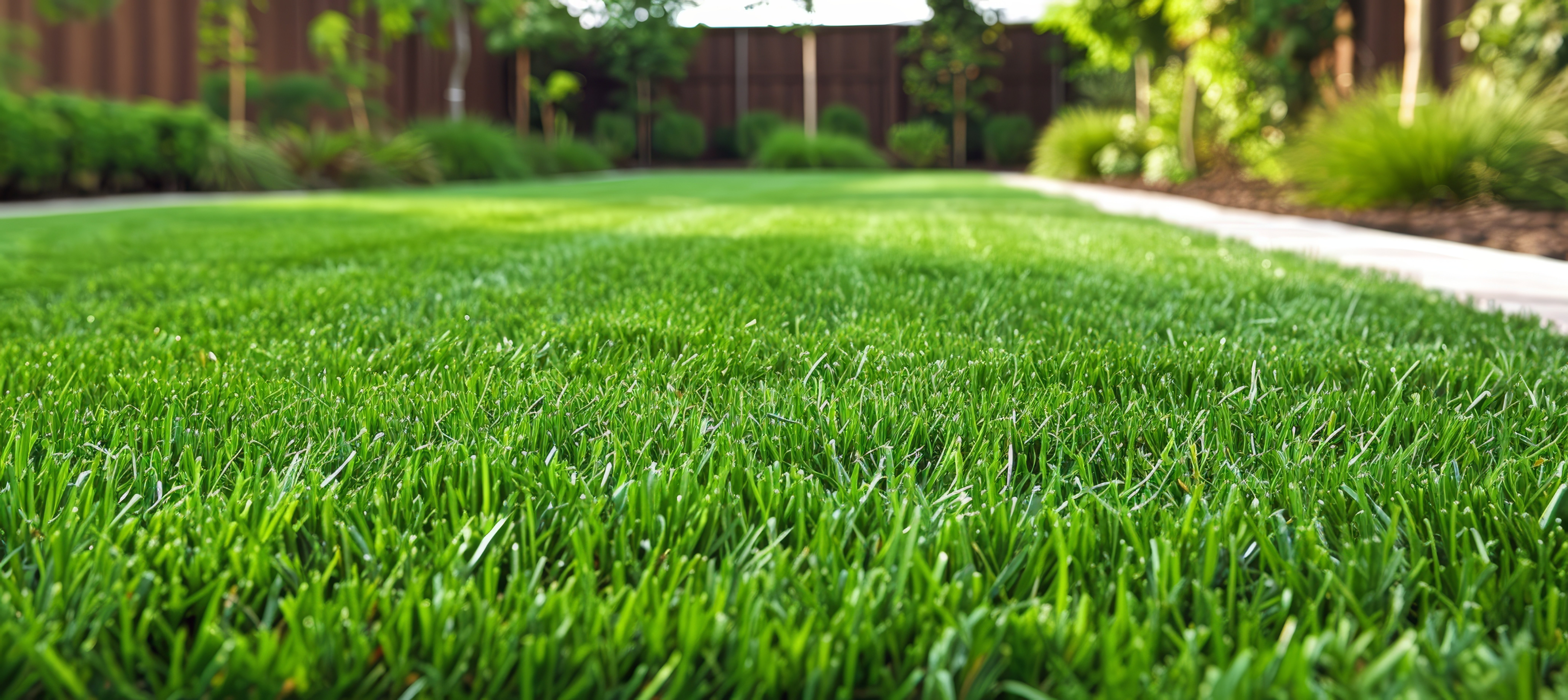
A healthy lawn does more than boost curb appeal—it creates a welcoming outdoor space, supports local ecosystems, and adds value to your home. But achieving and maintaining that lush green look takes more than occasional mowing. It requires a mix of proper care, timing, and understanding what your lawn needs throughout the year.
Start with the Basics: Mowing the Right Way
Mowing is one of the most important parts of lawn care, but how you mow matters just as much as how often. Cutting your grass too short can stress the roots and invite weeds. A good rule is to never remove more than one-third of the grass blade at a time. Keeping mower blades sharp also ensures a clean cut, which helps prevent disease and browning.
Watering Wisely, Not Excessively
Deep, infrequent watering is far better than light, frequent sprinkling. Most lawns need about 1 to 1.5 inches of water per week, including rainfall. Watering early in the morning reduces evaporation and helps prevent fungal growth. Overwatering can be just as harmful as underwatering, leading to shallow roots and weak turf.
Soil Health Is Everything
Healthy grass starts with healthy soil. Compacted or nutrient-poor soil can limit root growth and water absorption. Aerating your lawn once or twice a year helps loosen the soil and allows air, water, and nutrients to reach the roots more effectively. Adding compost or fertilizer based on soil test results can further improve long-term health.
Feed Your Lawn Properly
Fertilizing gives your grass the nutrients it needs to grow thick and green. The best fertilizer schedule depends on your grass type and climate, but most lawns benefit from feeding in spring and fall. Slow-release fertilizers are often preferred because they provide steady nutrition over time without overwhelming the grass.
Weed Control and Prevention
Weeds compete with grass for nutrients, water, and sunlight. A thick, healthy lawn is the best natural defense against weeds, but occasional treatments may still be necessary. Pre-emergent weed control in early spring can prevent many weeds from germinating, while spot treatments help manage existing growth.
Seasonal Lawn Care Matters
- Spring: Focus on cleanup, fertilization, and early weed control
- Summer: Prioritize watering and mowing consistency
- Fall: Repair, overseed, and strengthen roots for winter
- Winter: Minimize foot traffic and prepare for spring recovery
Overseeding for a Thicker Lawn
If your lawn looks thin or patchy, overseeding can help restore density. Spreading grass seed over existing turf encourages new growth and improves overall lawn resilience. Pairing overseeding with aeration gives the best results by improving seed-to-soil contact.
Watch for Pests and Disease
Insects like grubs and diseases like brown patch can quickly damage a lawn if left untreated. Signs include discolored patches, thinning grass, or irregular growth patterns. Early detection and proper treatment are key to preventing long-term damage.
The Bottom Line
A healthy lawn doesn’t happen by accident—it’s the result of consistent care and attention to detail. By focusing on soil health, proper watering, smart mowing, and seasonal maintenance, you can build a lawn that looks great and stays strong year-round.
With the right approach, your yard can become one of the most enjoyable parts of your home—lush, green, and ready for anything from backyard gatherings to quiet mornings outside.