
How to Prepare Your Home for Winter
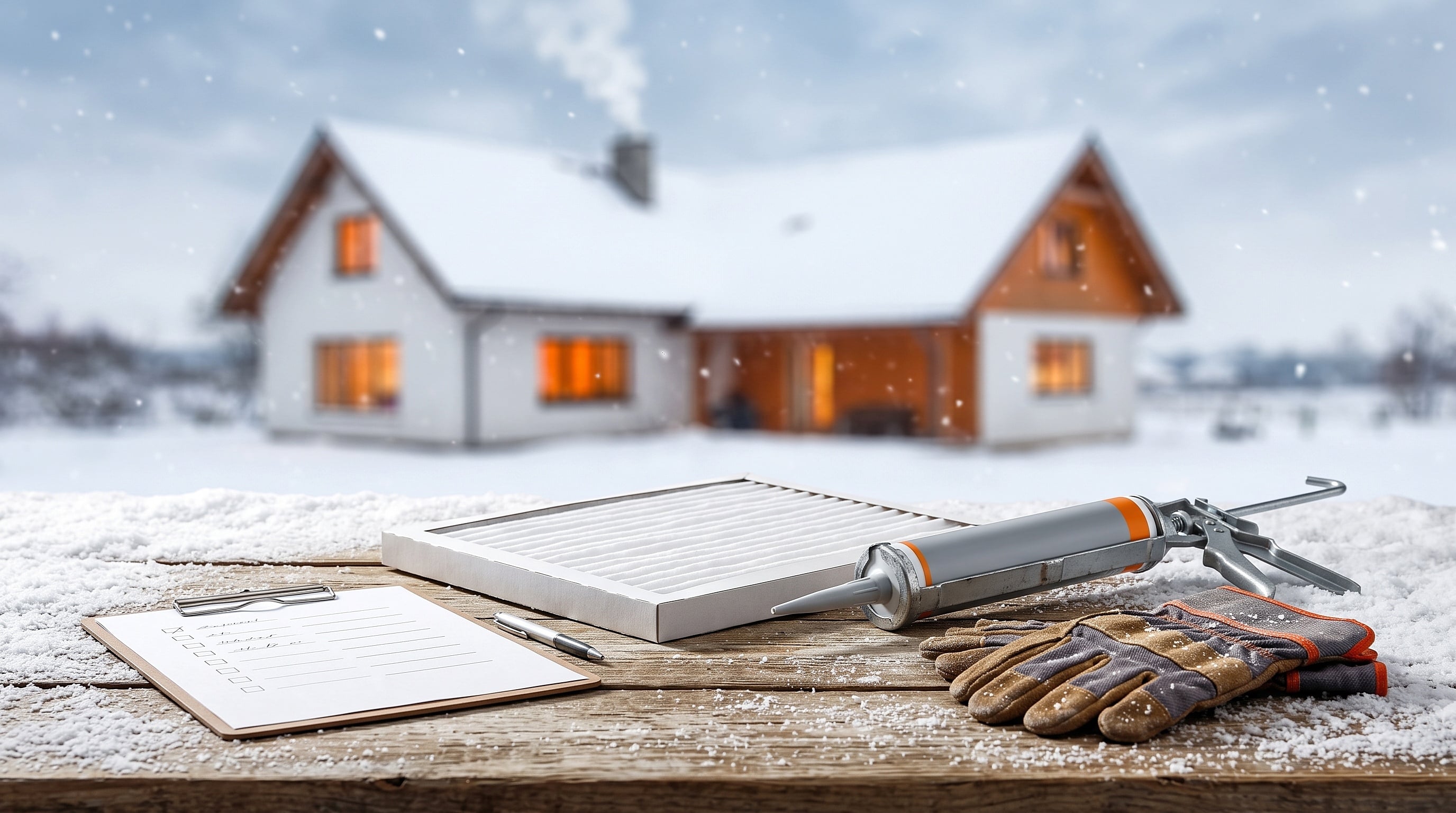
The most important steps for preparing your home for the colder months are protecting pipes, sealing drafts, cleaning gutters, and ensuring your heating system and roof are ready for sustained freezing temperatures.
Protect Your Pipes
Frozen pipes are one of the biggest winter hazards.
- Disconnect and drain exterior hoses to prevent burst pipes
- Shut off exterior faucet valves and open spigots to drain remaining water
- Wrap exposed pipes in attics, crawl spaces, garages, or basements with insulation sleeves to prevent freezing
- Keep your home heated even when away to reduce freeze risk
Seal Gaps and Improve Insulation
Drafts dramatically increase heating costs.
- Caulk and weatherstrip windows and doors to keep warm air in and cold air out
- Add insulation to attics, exterior walls, and unheated garages to prevent heat loss
- Check attic insulation—heat loss here contributes to ice dams
Clean Gutters and Prepare the Roof
Snowmelt must drain properly to avoid leaks and ice dams.
- Clear gutters of leaves and debris before the first freeze
- Inspect the roof for missing shingles, damaged flashing, or clogged valley
- Trim overhanging branches to prevent roof damage during storms
- Consider snow guards or roof heat cables if ice dams are a recurring issue
Ready Your Heating System
- Service your furnace before temperatures drop; replace filters every three months
- Bundle older water heaters with insulation blankets to reduce heat loss
- Use a programmable thermostat and aim for 68°F when home, lower when away
Fireplace and Chimney Safety
- Have your fireplace inspected annually and clear creosote or nests
- Keep flammable items at least 3 feet away from the fireplace
- Close the damper when not in use to prevent drafts
Outdoor Prep
- Store or cover outdoor furniture to prevent weather damage
- Aerate and protect your lawn before frost to avoid spring bare patches
- Maintain outdoor equipment and inspect your snow blower before the first snowfall
Vehicle and Safety Supplies
- Service your car—battery, brakes, tires, and cables are critical in cold weather
- Keep ice melt and sand in the car for traction emergencies
- Stock a winter emergency kit: flashlights, blankets, food, first aid, and jumper cables
Indoor Safety
- Test and replace batteries in smoke detectors; replace units older than 10 years
- Use a humidifier to counter dry indoor air from heating systems
- Take shorter, warm—not hot—showers to protect skin and reduce water bills