
Fireplace Maintenance: Keeping Your Home Safe, Warm, and Efficient
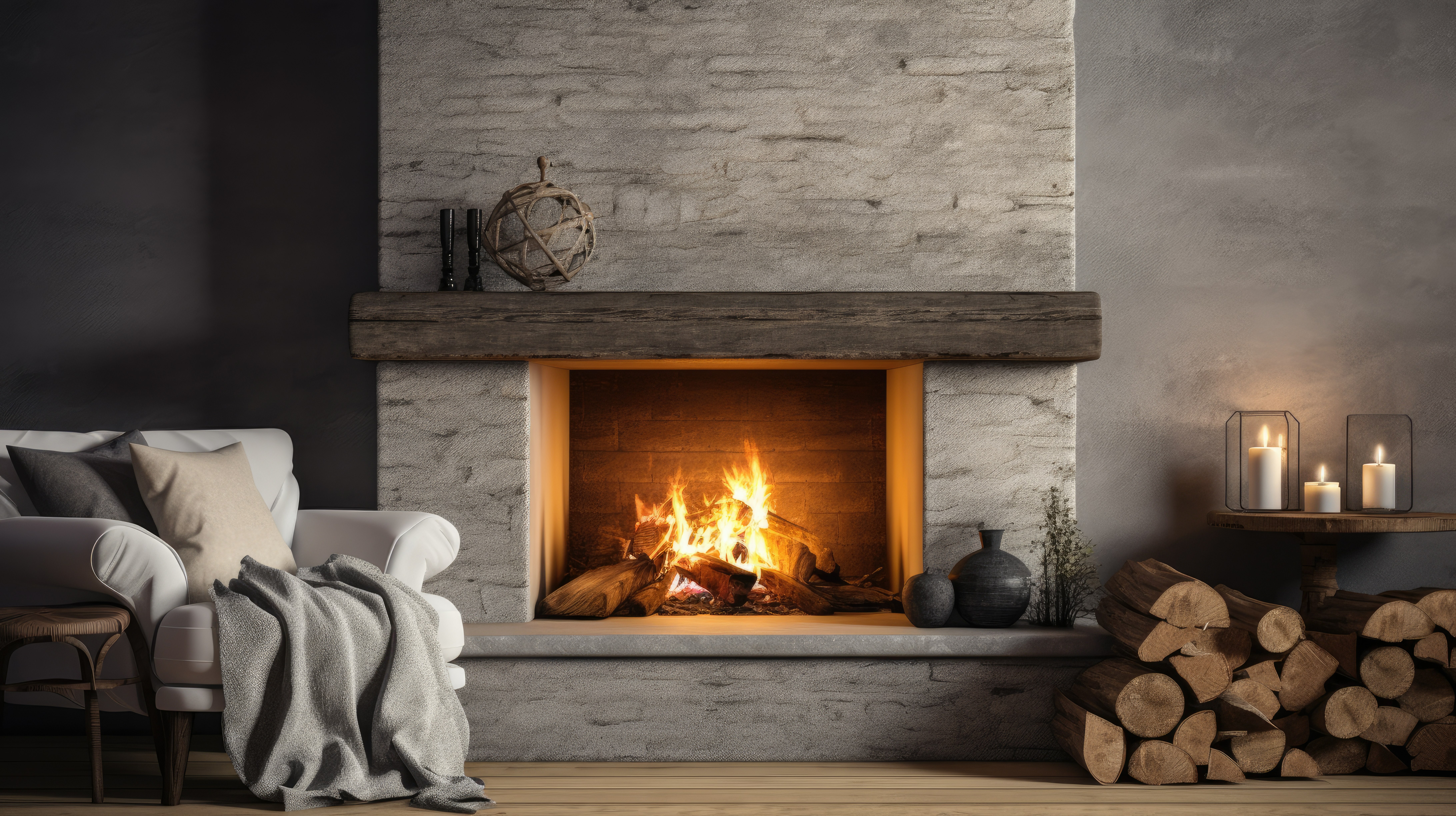
A fireplace adds warmth, comfort, and charm to any home—especially during the colder months. But whether you use a traditional wood-burning fireplace or a modern gas system, regular maintenance is essential for safety, efficiency, and long-term performance. A well-maintained fireplace not only keeps your home cozy but also prevents hazards that could lead to costly repairs or dangerous situations.
Here’s everything homeowners should know about fireplace maintenance.
1. Schedule an Annual Professional Inspection
Just like HVAC systems, fireplaces need yearly checkups. A yearly inspection is one of the most important steps to keeping your fireplace safe. A certified chimney sweep or technician will:
- Check for blockages, creosote buildup, and structural issues
- Inspect the firebox, damper, and chimney
- Ensure gas lines, valves, and ignition systems (for gas fireplaces) are working properly
- Identify early signs of damage before they become expensive problems
2. Clean Out Ash and Debris Regularly
If you use a wood-burning fireplace, make ash removal a routine. Avoid plastic vacuums or household trash cans, as smoldering embers can stay hot for days.
- Wait 24 hours before cleaning
- Use a metal container to dispose of ashes
- Leave a thin layer of ash during winter—it actually helps fires burn more efficiently
3. Keep the Chimney Clear
A clean chimney reduces fire risk and improves proper airflow. Over time, creosote, a highly flammable residue, builds up inside the chimney walls. If you burn wood often, you may need more than one cleaning per year. Regular cleaning prevents:
- Chimney fires
- Smoke backup
- Inefficient burning
- Unpleasant odors
4. Use the Right Type of Wood
For wood-burning fireplaces, choosing the right fuel matters. Proper wood produces cleaner fires, less smoke, and better heat.
- Burn seasoned hardwoods like oak, maple, or birch
- Avoid soft woods (like pine) that create more creosote
- Never burn treated, painted, or wet wood
5. Check the Damper
The damper controls airflow in and out of the chimney. A faulty damper can cause smoke issues and heat loss. Make sure it:
- Opens fully before starting a fire
- Closes tightly when not in use
- Moves smoothly and shows no signs of rust or warping
6. Inspect Fireplace Screens and Doors
Screens and glass doors help protect your home from sparks, flying embers, and excessive heat. A small crack in glass doors should be fixed immediately. Check that:
- Screens are free of holes
- Doors close properly and seal well
- Glass is kept clean so you can monitor the fire safely
7. Replace or Clean Gas Fireplace Components
Gas fireplaces need less cleaning but still require routine maintenance. For gas fireplaces:
-
Check pilot lights
-
Clean logs and burners
-
Make sure ventilation is clear
-
Replace batteries in remote-control units
-
Watch for soot buildup (a sign of improper burning)
8. Install Carbon Monoxide and Smoke Detectors
No matter what type of fireplace you have, detectors are a must. Test them monthly and replace batteries twice a year. Place them near:
- Bedrooms
- Living areas
- Hallways near the fireplace
9. Watch for Warning Signs
Call a professional if you notice:
- Excessive smoke
- Strange odors when burning
- Soot or stains around the fireplace
- Difficulty starting or controlling fires
- Cracks in bricks or mortar
These symptoms may indicate chimney damage or ventilation issues.
Final Thoughts
A fireplace adds comfort and beauty to your home, but it requires regular care to operate safely and efficiently. With annual inspections, proper cleaning, and smart burning habits, you can enjoy a warm and worry-free fire all season long.
Whether you're preparing your home for winter, selling a property, or simply wanting a safe and welcoming living space, fireplace maintenance is a key part of responsible homeownership.